

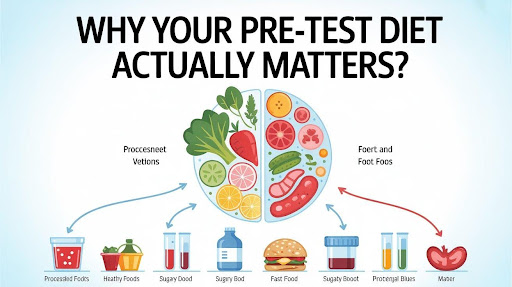
Most people focus so much on gathering documents and booking their slot that they forget something equally important: what they put into their body the night before and the morning of the test. The truth is, your diet in the 48 to 72 hours leading up to your examination can directly impact your blood test results, blood pressure readings, and even your chest X-ray clarity. These are solid GCC medical test preparation tips that very few candidates talk about openly.
Whether you are heading to a centre in Mumbai, Delhi, Chennai, Trichy, or Tamil Nadu, the physical preparation is just as critical as the paperwork. This guide walks you through exactly what to eat, what to drink, what to skip, and how to set yourself up for a clean, accurate result on the day.
Why Your Pre-Test Diet Actually Matters?
The GAMCA medical examination is not a casual health check. It includes blood tests that screen for infections like HIV, Hepatitis B, and Hepatitis C, a chest X-ray to check for tuberculosis and lung conditions, and a physical examination that measures your blood pressure, weight, and general health indicators.
Each one of these can be affected by what you eat and drink in the days before your appointment. For example, heavy fatty meals eaten the night before can cause lipemia, a condition where fat particles in the blood make the sample cloudy and difficult to read. High-sodium foods can spike your blood pressure temporarily, leading to an inaccurate reading. Alcohol consumed within 48 hours can interfere with liver enzyme levels and skew blood test results.
Knowing the right pre medical test diet tips is not about restricting yourself unnecessarily. It is about making small, smart choices that ensure your results reflect your actual health accurately.
Foods to Eat Before Your GCC Medical Test
The goal in the 48 hours before your test is to keep your body clean, well-rested, and properly hydrated. Here is what works well:
Light, Easily Digestible Meals
Stick to simple, home-cooked food. A bowl of dal and rice, plain khichdi, boiled vegetables, or idlis with sambar are ideal options. These meals are low in fat, do not overload your digestive system, and keep your blood clean before the test. Candidates from Tamil Nadu and Trichy who already eat light South Indian meals are often naturally well-prepared in this regard.
Fruits and Vegetables
Fresh fruits like bananas, apples, papayas, and pears are excellent choices the day before your test. They provide natural sugars for energy without the blood sugar spike caused by processed foods. Steamed or lightly cooked vegetables such as spinach, carrots, and ridge gourd are also good picks.
Avoid citrus fruits in excess on the morning of the test, particularly if you tend to have acid reflux, as this can cause discomfort during the physical examination.
Adequate Water Intake
Hydration is probably the single most important factor that candidates overlook. Drinking at least 8 to 10 glasses of water in the 24 hours before your appointment helps your veins stay plump and accessible during blood collection. Dehydrated veins are smaller and harder to locate, which can make the blood draw uncomfortable and slow down your registration process.
This applies equally whether you are visiting a GAMCA medical test centre Mumbai, a centre in Delhi, or one in Chennai. Drinking water from the night before and continuing right up to 30 minutes before your test is perfectly fine and encouraged.
A Light Breakfast on Test Day
Unless you have been specifically asked to fast for your destination country’s requirements, do not skip breakfast on the morning of your test. A light meal eaten at least 2 hours before your appointment is the right approach. Good options include:
- Plain oats or porridge with minimal sugar
- Two slices of whole wheat toast with a boiled egg
- A small bowl of upma or poha without excessive oil
- Fresh fruit with a glass of water or coconut water
A light meal keeps your blood sugar stable, prevents dizziness during the examination, and ensures your body is in a calm, settled state throughout the process.
What to Avoid Before the GCC Medical Test
This section is just as important as knowing what to eat. Some common food and drink habits can genuinely affect your test results. Here is what you need to skip in the 48 to 72 hours before your appointment:
Alcohol
This is non-negotiable. Alcohol consumed even 48 hours before your test can alter liver enzyme levels and affect the accuracy of your blood panel. It also causes dehydration, which complicates blood collection. Candidates who consume alcohol the night before their test sometimes find their results flagged for retesting, which delays the entire visa process.
Fatty and Oily Foods
Avoid deep-fried snacks, heavy biryanis, red meat, and fast food for at least 2 days before your test. These raise triglyceride levels in the blood and can make your sample appear lipemic, meaning the lab finds it difficult to process it cleanly. This is one of the most common pre medical test diet tips that doctors in GAMCA-approved centres consistently give to first-time candidates.
Excessive Salt and Processed Foods
High sodium intake causes temporary water retention and blood pressure elevation. If your blood pressure reads high on the day of your physical, the doctor may ask you to rest and repeat the measurement. In some cases, a consistently high reading can flag further follow-up. Avoiding packaged chips, instant noodles, pickles, and heavily salted curries for at least 24 hours before your test is a simple precaution.
Sugary Drinks and Caffeinated Beverages
Fizzy drinks, sweetened juices, and energy drinks can cause a temporary spike in blood sugar levels. While the GAMCA test does not specifically check for diabetes in routine cases, any elevated reading can raise questions. Coffee and strong tea consumed in large quantities on the morning of your test can also elevate your heart rate and blood pressure temporarily.
Plain water, tender coconut water, and unsweetened herbal drinks are the safest choices on the morning of your appointment.
Tobacco and Smoking
Smoking within a few hours of your chest X-ray can cause temporary inflammation in the airways and affect how your lungs appear on the image. While this rarely leads to misdiagnosis, it adds unnecessary noise to an otherwise clean scan. Avoiding cigarettes for at least 12 hours before your test is a sensible step.
Hydration Tips That Make a Practical Difference
Proper hydration is one of those GCC medical test preparation tips that sounds obvious but is rarely followed correctly. Here is a simple hydration plan that works for most candidates:
- Drink 2 to 3 extra glasses of water the evening before your appointment
- Start your test day morning with a full glass of water before anything else
- Carry a 500 ml water bottle to the centre and sip slowly while waiting
- Avoid drinking excessively large amounts of water in one sitting as this can cause temporary sodium dilution in the blood
Candidates visiting busy centres in Mumbai, especially for the GAMCA medical test centre Mumbai, often have to wait 30 to 60 minutes at the registration desk before their blood draw. Staying hydrated while waiting makes the blood collection faster and less uncomfortable.
Special Considerations for Candidates With Existing Health Conditions
If you are managing a pre-existing condition like diabetes, hypertension, or thyroid issues, the dietary guidance above still applies but with some adjustments.
Diabetic Candidates
Do not skip meals in an attempt to lower your blood sugar artificially before the test. This can cause hypoglycemia during the examination and create complications. Eat your usual meals, manage your medication as prescribed, and inform the medical staff at the centre about your condition when you arrive.
Candidates With High Blood Pressure
Avoid salty foods and caffeinated beverages strictly in the 24 hours before your test. Take your prescribed medication as usual, get a good night’s sleep, and arrive at the centre calm and rested. Walking briskly immediately before a blood pressure check can temporarily raise your reading, so avoid rushing into the examination room.
Centres handling gamca medical services Mumbai and other metro locations see a high number of candidates daily and are generally experienced with managing patients who have existing conditions. Let the staff know upfront so they can accommodate you appropriately.
What to Do the Night Before Your Appointment
The evening before your GAMCA medical test matters as much as the morning of. Here is a practical routine that works:
- Have dinner by 8 PM so your body has enough time to digest before blood collection the next morning
- Keep dinner simple: a bowl of dal, two chapatis or a small portion of rice, and a vegetable side dish
- Drink a glass of warm water before sleeping
- Avoid late-night snacking, especially anything fried, spicy, or sugary
- Get at least 7 to 8 hours of sleep as sleep deprivation can temporarily elevate blood pressure and cortisol levels
Candidates in Chennai and Tamil Nadu heading for early morning slots often find that preparing their documents, clothes, and travel plan the night before also reduces the stress-related rush that can spike blood pressure readings at the centre.
How the Right Preparation Connects Directly to Your Visa Process

A clean, accurate medical result is what moves your GCC visa application forward without delays. When blood test results are flagged for retesting due to dietary interference, it can add 3 to 7 days to your overall timeline. For candidates on a tight deadline, that gap can affect job start dates, travel bookings, and employer contracts.
This is why understanding what to eat and what to avoid is not a minor detail. It is a practical step that protects your timeline and your investment in the visa process. Centres across Delhi, Mumbai, Chennai, Trichy, and Tamil Nadu handle thousands of candidates each month. The ones who arrive prepared, both in terms of documents and physical condition, move through the process fastest.
If you have used gamca medical services Mumbai or are planning to visit any gamca medical centre in India in the near future, pair your document preparation with these dietary steps for the smoothest possible appointment experience.
Conclusion
Preparing your body before a GCC medical examination is a step that is easy to overlook but genuinely matters. Eating light, staying hydrated, skipping alcohol and fatty foods, and getting a good night’s rest are not difficult changes. They are straightforward decisions that take less than 48 hours to carry out and can make a real difference in the quality and accuracy of your test results.
Whether you are visiting a centre in Mumbai, Delhi, Chennai, Trichy, or Tamil Nadu, the physical preparation is in your hands. Pair these steps with complete documentation and an early arrival at your assigned centre, and you give yourself the best possible chance of walking out with a fit report on the same day.
For help with booking, registration slips, or navigating the process for the first time, Gamca Medical Registration is available to guide you through every step so your appointment goes as smoothly as possible.
Frequently Asked Questions (FAQs)
Q1. What are the most important GCC medical test preparation tips for the day before?
GCC medical test preparation tips for the day before include eating light home-cooked meals, drinking 8 to 10 glasses of water, avoiding alcohol and oily food, and getting at least 7 to 8 hours of sleep.
Q2. Which foods to eat before a medical test for the best results?
The best foods to eat before medical test include plain dal and rice, boiled vegetables, fresh fruits like bananas and apples, idlis, upma, and whole wheat toast with a boiled egg on the morning of your appointment.
Q3. What should I completely avoid before my GCC medical test?
You should completely avoid alcohol, deep-fried and fatty foods, packaged salty snacks, sugary fizzy drinks, and smoking, as part of what to avoid before GCC medical test routine, ideally starting 48 to 72 hours before your appointment.
Q4. Does the GAMCA medical test centre in Mumbai require fasting before the blood test?
The GAMCA medical test centre Mumbai and most other centres do not mandate a complete fast, but candidates are advised to eat only a light meal at least 2 hours before the appointment to ensure a clean blood sample collection.
Q5. How do pre medical test diet tips help in getting a fit report faster?
Pre medical test diet tips help by keeping blood lipid levels clean, blood pressure stable, and blood samples easy to process, which reduces the chances of flagged results or retesting and helps you get your fit report within the standard 24 to 72-hour window.
