

If you are planning to work in a Gulf country, you already know that a clean medical certificate is one of the most important requirements in the entire visa process. What many applicants do not realise, however, is that factors like body weight, BMI, and obesity can sometimes raise flags during the examination. Before you book your gamca online registration, it helps to understand exactly what the test involves, what doctors actually look for, and whether carrying extra weight will automatically disqualify you or simply prompt a closer look at your overall health.
This blog is for every Indian applicant, whether you are in Mumbai, Chennai, Delhi, or any other city, who wants to walk into that medical appointment feeling informed and prepared. The process does not have to feel mysterious, and this guide aims to clear up one of the most commonly asked questions in the GCC worker community today.
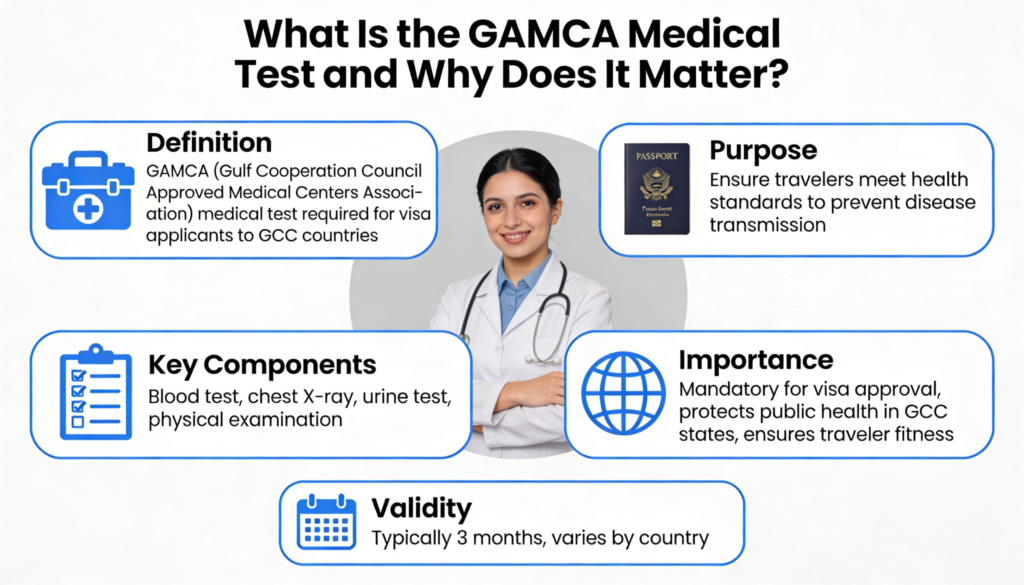
What Is the GAMCA Medical Test and Why Does It Matter?
GAMCA stands for Gulf Approved Medical Centres Association. It is the body responsible for standardising the medical examination process for workers seeking employment in Gulf Cooperation Council (GCC) countries. These countries include Saudi Arabia, the UAE, Kuwait, Bahrain, Qatar, and Oman. Every foreign national who applies for a work visa to these destinations must pass a GAMCA-approved medical fitness examination.
The test is designed to confirm that the applicant is physically and clinically fit to work in a demanding environment. It screens for infectious diseases, checks vital organ function, and looks at overall physical condition. The results are submitted directly to the respective GCC embassy, and a fit certificate is mandatory before your visa can be processed.
In India, the examination is conducted at approved GAMCA centres located in major cities. Applicants can complete their gamca online registration through the official portal before visiting their nearest approved medical facility.
What Does the GAMCA Medical Examination Actually Check?
Understanding the scope of the examination helps demystify what obesity-related concerns actually trigger. The standard GAMCA medical test typically includes the following components:
• Blood Tests: Screening for HIV, Hepatitis B, Hepatitis C, syphilis, malaria, and other communicable diseases
• Chest X-Ray: Checking for tuberculosis, lung infections, and any abnormalities in the chest cavity
• Urine Analysis: Detecting kidney issues, diabetes markers, and signs of infection
• Physical Examination: General assessment of height, weight, blood pressure, heart rate, and overall fitness
• Eye and Hearing Check: Basic sensory fitness assessments depending on the job type
• Mental Health Screening: A general observation of the applicant’s psychological stability
BMI and obesity do not have a dedicated screening test within this list. However, the physical examination component is where weight-related issues may surface, particularly if they are linked to conditions like hypertension, diabetes, or cardiovascular concerns.
How BMI Effects Your Test Results

This is the most straightforward question, and the answer is: not automatically. Being overweight or obese does not, on its own, result in an unfit certificate. GAMCA medical examiners do not reject applicants purely based on their BMI reading. What matters more is whether your weight is accompanied by clinical conditions that affect your ability to work safely in a foreign country.
That said, obesity does increase the likelihood that certain conditions will be found during the exam. If your weight is high and your blood pressure is uncontrolled, or if your urine test reveals unmanaged diabetes, these are the findings that will affect your result, not the number on the weighing scale by itself.
Health Conditions Linked to Obesity That Can Affect Your Results
Obesity is often a gateway condition. When you carry excess weight for an extended period, it tends to create or worsen other health issues. Some of the conditions associated with obesity that GAMCA examiners may flag include:
• Type 2 diabetes, which can be detected through urine sugar levels and blood tests
• Hypertension or high blood pressure, which is checked during the physical examination
• Cardiovascular disease or irregular heart function, which may be visible on chest X-ray or ECG if required
• Sleep apnoea-related complications, though this is not always part of the standard screening
• Fatty liver or kidney-related issues, which may appear in blood and urine reports
The key takeaway here is that obesity creates risk, but the risk only materialises as a failed result if the associated conditions are clinically present and unmanaged at the time of your examination.
Preparing for Your GAMCA Medical Test in Mumbai
Mumbai is one of the busiest hubs for Gulf-bound workers in India. Thousands of applicants from across Maharashtra and neighbouring states visit approved centres in the city every month. If you are preparing for GAMCA medical in Mumbai, here is what you should do in the weeks leading up to your appointment.
Steps to Take Before Your Appointment
• Get a basic health check done at your local clinic to identify any uncontrolled blood pressure or blood sugar
• If you are on medication for diabetes or hypertension, carry your prescription and keep taking your medicine as prescribed
• Avoid heavy meals and stay hydrated the night before your appointment
• Carry your original passport and any previous medical records that may be relevant
• Complete your registration in advance to avoid delays on the day of the visit
The gamca medical centre in mumbai processes a large volume of applicants daily. Arriving prepared saves time for both you and the medical team, and it gives you a cleaner experience overall.
What Chennai-Based Applicants Need to Know
For applicants based in Tamil Nadu and the surrounding southern states, Chennai is the primary hub for GAMCA medical examinations. The Mediscan Centre in Chennai is one of the well-known facilities in the region, handling medical tests for a large number of outbound workers heading to the Gulf. The process here follows the same national GAMCA protocols, but it is worth calling ahead to confirm appointment availability and documentation requirements.
If you are overweight and worried about your result at your gamca medical test chennai appointment, the advice is consistent with what applies everywhere else in India: manage your modifiable health conditions before you go in. If your blood pressure is under control and your blood sugar is within normal limits, a high BMI alone is very unlikely to result in an unfit certificate.
What Happens If You Receive an Unfit Certificate?

Receiving an unfit result does not necessarily mean your Gulf dream is over. In most cases, an unfit certificate is issued because a specific medical condition was detected during the examination. If the condition is treatable or manageable, you may be able to seek treatment, stabilise your health, and reapply after a defined waiting period.
Here is what you can generally do after an unfit result:
• Consult your doctor to understand the specific finding that led to the unfit result
• Follow the prescribed treatment plan diligently for the recommended period
• Request a repeat examination once your health markers are stable and within acceptable limits
• Work with your employer or recruitment agency to understand how this affects your visa timeline
It is also important to note that the Gamca Medical Registration platforms exist precisely to help applicants navigate this process smoothly. Using an official and transparent registration platform ensures you are well informed about your appointment, the required documents, and what to expect on the day.
Practical Lifestyle Tips for Obese Applicants Planning a GAMCA Test
If you know your weight is high and your Gulf trip is a few months away, there is still a meaningful window to improve your health profile. You do not need to lose dramatic amounts of weight to pass the test. What matters is that the weight-associated conditions are controlled. Here are some practical and achievable steps:
• Reduce sodium intake to bring blood pressure down naturally over several weeks
• Cut down on refined carbohydrates and sugary beverages to improve blood sugar regulation
• Add 30 minutes of daily walking or light physical activity to your routine
• Get adequate sleep, as poor sleep worsens both blood pressure and blood sugar control
• Consult a physician early and get your baseline reports done to identify what needs attention
• Follow up on any prescribed medication consistently and do not self-medicate or stop treatment abruptly
These changes will not just help you pass the exam. They will help you perform better and stay healthier once you actually begin working abroad, where access to familiar healthcare may be limited.
The Role of Online Registration in Simplifying the Process
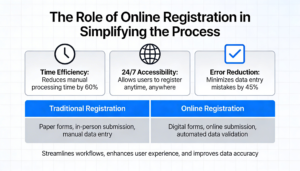
One thing that often adds unnecessary stress to the medical test experience is confusion around the registration process. Many applicants are unsure of how to book their slot, which centre to visit, or what documents to carry. Completing your gamca online registration through the correct platform removes much of this uncertainty.
The online portal allows you to select your preferred approved centre, choose a convenient appointment date, and download the registration slip you need to carry on the day. It also gives you visibility into the list of documents required, which typically includes your original passport, passport-size photographs, and the visa number provided by your employer.
Using Gamca Medical Registration services that are officially aligned with the GAMCA system ensures you are not misled by unofficial platforms or third-party agents who may charge extra fees without offering any real value. Always use verified and official channels for your booking.
Conclusion: Knowledge and Preparation Are Your Best Tools
Obesity and a high BMI are not automatic disqualifiers for a GAMCA medical examination. What examiners are truly assessing is your functional health, and specifically whether any underlying conditions make you unfit to work safely in a foreign environment. If your associated health markers are within acceptable ranges, you have every reason to approach the exam with confidence.
Prepare early, get your health checked in advance, follow medical advice, and use the right platforms for your registration and appointment booking. Whether you are heading to a gamca medical test chennai facility or visiting the gamca medical centre in mumbai, the fundamentals remain the same: know what to expect and walk in ready.
For a smooth, transparent, and hassle-free medical registration experience, trust Gamca Medical Registration to guide you through every step of the process from booking your slot to understanding your result.
Frequently Asked Questions (FAQs)
Q1. Will I automatically fail the GAMCA medical test if I am obese?
No, obesity alone does not automatically result in an unfit certificate; the examiner assesses whether your weight has caused uncontrolled clinical conditions like hypertension or diabetes that affect your ability to work abroad.
Q2. What health conditions related to obesity can cause a failed result in a GAMCA test?
Uncontrolled high blood pressure, unmanaged type 2 diabetes, and significant cardiovascular issues discovered during the physical examination are among the most common obesity-related findings that can lead to an unfit result.
Q3. How do I complete my GAMCA online registration before the medical test?
You can complete your gamca online registration through the official GAMCA portal by entering your passport details, selecting your nearest approved centre, choosing an available appointment slot, and downloading your registration confirmation slip.
Q4. Is the Mediscan Centre in Chennai an approved GAMCA facility?
The mediscan centre in chennai is a well-known medical facility in the city that handles Gulf-related medical examinations, and applicants are advised to verify its current GAMCA approval status through the official portal before booking their appointment.
Q5. Can I reapply for a GAMCA medical test after receiving an unfit certificate due to a weight-related condition?
Yes, in most cases, you can reapply once you have received appropriate medical treatment, stabilised the condition that caused the unfit result, and waited for the required period as advised by the medical centre or your recruitment agency.
